Liver Health Matters: How to Support Your Liver and Reverse Fatty Liver Naturally
Learn how your liver works, early warning signs of liver stress, and natural ways to support and reverse fatty liver through simple, consistent habits.
Omayra Mangual
5/4/20265 min read
Your Liver Is Working Hard for You—Are You Supporting It?
Most people do not think about their liver until something feels off. You might notice your energy is lower than usual, your digestion feels slower, or your body simply does not feel as light and responsive as it once did. At first, these changes seem small, but over time they begin to affect how you feel on a daily basis.
What many people do not realize is that your liver could be playing a major role in all of this. Your liver is constantly working behind the scenes, filtering, processing, and protecting your body from everything you eat, drink, and absorb. It does not take breaks, and it does not demand attention. Instead, it quietly does its job—until it becomes overwhelmed.
When that happens, your body begins to send signals. The problem is that those signals are often ignored or misunderstood.
What Your Liver Does Every Day
Your liver is one of the most important organs in your body, responsible for hundreds of essential functions that keep everything running smoothly. According to the National Institute of Diabetes and Digestive and Kidney Diseases, the liver plays a central role in filtering toxins, processing nutrients, supporting digestion, and helping regulate key systems throughout the body.
It helps break down fats, store important vitamins and minerals, and produce bile, which is necessary for proper digestion. It also supports blood sugar balance and metabolic function. Because it is involved in so many processes, when your liver is not functioning properly, the effects are not limited to one area. You feel it in multiple ways.
Signs Your Liver May Need Support
Your body has a way of communicating when something is not right, and your liver is no exception. The signs are often subtle at first, which is why they are easy to dismiss or overlook.
You may begin to feel tired more often, even when you are getting enough rest. Your digestion might feel slower, and you may notice occasional bloating or discomfort after eating. Some people experience brain fog, making it harder to focus or stay mentally clear. Others notice changes in their skin, such as dullness or breakouts that do not seem to improve.
These symptoms do not always mean there is a serious issue, but they can be signals that your liver is under stress and may need additional support.
Understanding Fatty Liver
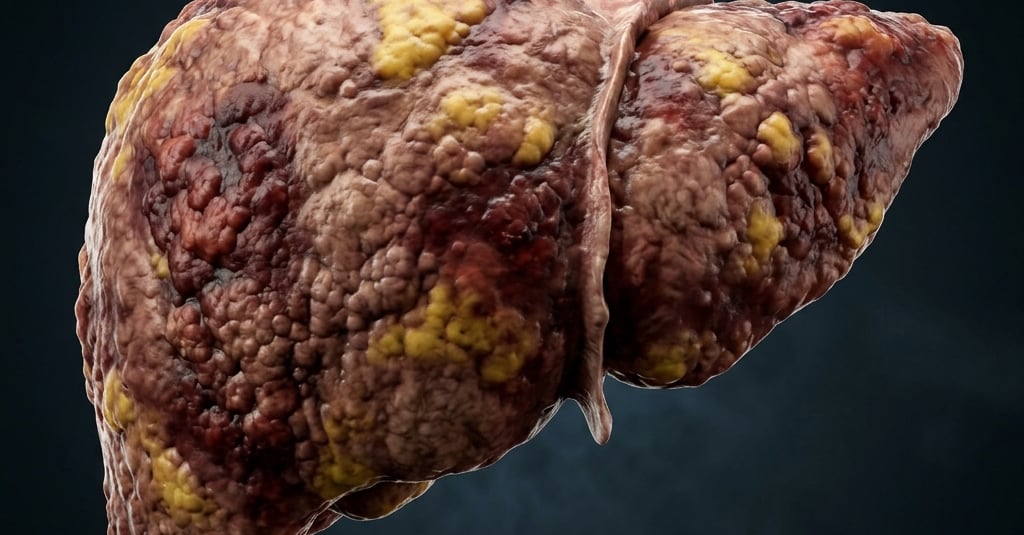
One of the most common liver concerns today is Nonalcoholic Fatty Liver Disease, a condition where excess fat builds up in the liver. What surprises many people is that this condition is not limited to alcohol use. In fact, it is often linked to everyday habits and lifestyle patterns.
Factors such as high sugar intake, processed foods, lack of physical activity, and metabolic imbalance can all contribute to the development of fatty liver. According to the Centers for Disease Control and Prevention, this condition is becoming increasingly common, affecting millions of people who may not even realize they have it.
Can Fatty Liver Be Reversed?
The encouraging reality is that your liver has an incredible ability to repair and regenerate when given the right environment. I reversed fatty liver within six to eight months. Supporting your liver is not about extreme measures or temporary fixes. It is about making consistent choices that reduce stress on your body and allow it to function more efficiently.
Reversing fatty liver does not happen overnight, but it is possible when you commit to habits that support your body over time. Small, steady changes often lead to the most meaningful results.
What Puts Stress on Your Liver
Modern life places a constant demand on your body, and your liver carries much of that burden. Processed foods, added sugars, alcohol, environmental toxins, medications, poor sleep, and chronic stress all contribute to the workload your liver must manage.
While your body can handle occasional exposure, repeated and ongoing stress begins to take a toll. Over time, this can affect how efficiently your liver performs its functions, which is why reducing unnecessary strain is so important.
How to Support and Reverse Fatty Liver Naturally
Supporting your liver does not require complicated routines or extreme approaches. It begins with simple, intentional habits that you can maintain consistently.
Reducing sugar intake is one of the most effective steps you can take. Excess sugar, especially from processed foods and beverages, contributes to fat accumulation in the liver. Becoming more aware of what you consume allows your body to function more efficiently.
Focusing on whole, unprocessed foods can also make a significant difference. Foods that are closer to their natural state are easier for your body to process, which reduces the burden on your liver and supports overall health. I stopped consuming wine.
Staying properly hydrated is another important factor. Water supports your body’s natural processes, including the elimination of waste. While it may seem simple, consistent hydration plays a meaningful role in supporting your system.
Movement is equally important. You do not need intense workouts to support your health. Regular movement, such as walking or staying active throughout the day, helps support metabolism and circulation.
Sleep is often overlooked, yet it is one of the most powerful ways to support your body. When your sleep is consistent and restful, your body is able to repair and restore itself more effectively.
Rethinking Detox
There is a common belief that detoxing requires extreme cleanses or restrictive programs. In reality, your liver is already designed to detox your body.
What it truly needs is not a short-term solution, but consistent daily support. Reducing what overwhelms your system while improving your habits is far more effective than any temporary cleanse.
If You Want to Go Deeper
If you are dealing with liver concerns or have been told you may have fatty liver, the most important step is to educate yourself and take action early.
You do not have to stay stuck or confused about what to do next.
If you want more detailed guidance on how to support your liver and reverse fatty liver naturally, you can learn more here:
Final Thoughts
Your liver is always working for you, even when you are not thinking about it. It continues to filter, process, and protect your body every single day. The question is whether you are giving it the support it needs to keep doing that job well.
You do not need to change everything at once. Start with small, consistent steps. Drink more fruits and vegetables, simplify your food choices, move your body, and prioritize rest. Over time, those small decisions begin to add up.
And when your liver starts to function better, you feel the difference—not just in one area, but throughout your entire body.
Sources
National Institute of Diabetes and Digestive and Kidney Diseases. (2023). Your liver & how it works. U.S. Department of Health and Human Services. https://www.niddk.nih.gov
Centers for Disease Control and Prevention. (2023). Nonalcoholic fatty liver disease. https://www.cdc.gov
Chalasani, N., Younossi, Z., Lavine, J. E., et al. (2018). The diagnosis and management of nonalcoholic fatty liver disease. Hepatology, 67(1), 328–357.
Younossi, Z. M., Koenig, A. B., Abdelatif, D., et al. (2016). Global epidemiology of nonalcoholic fatty liver disease. Hepatology, 64(1), 73–84.
Fatty liver image
Connect
info@bodyhealthfit.com