Chickweed Herb Benefits for Skin: Uses, History, and Why It Belongs in Natural Skincare
Discover chickweed herb, also known as Stellaria media, its traditional skincare uses, research-backed properties, and why this humble plant is becoming a powerful ingredient in natural balms like NouriBalm.
Omayra Mangual
4/30/20266 min read
Chickweed Herb: The Humble Skin-Loving Plant You Should Know About
Most people walk right past chickweed and never think twice about it.
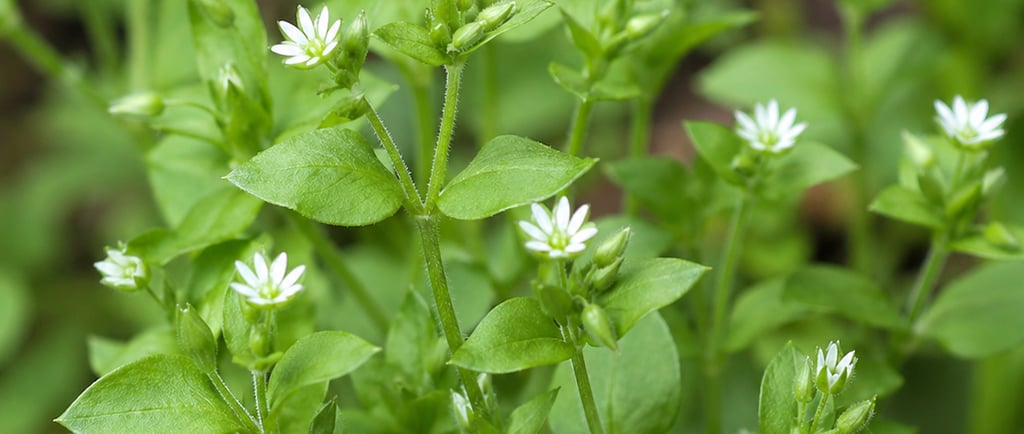
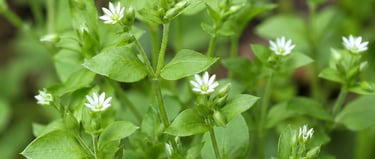
It grows low to the ground. It has soft green leaves, tiny white flowers, and a very simple look. To many people, chickweed is just a weed. But in traditional herbal care, this little plant has been valued for generations, especially when it comes to skin comfort.
That is what makes chickweed so interesting.
It does not look fancy. It does not sound trendy. It does not need a dramatic introduction. But once you learn about it, you start to understand why herbalists have used it in skin preparations like infused oils, poultices, salves, and balms.
I love ingredients that are simple but meaningful. Chickweed is one of those ingredients.
In a world where skincare can feel overwhelming, chickweed brings things back to basics. It reminds us that skin care does not always need to be complicated. Sometimes, the most helpful ingredients are the quiet ones that have been used for years.
What Is Chickweed?
Chickweed’s botanical name is Stellaria media.
It is a small annual herb in the carnation family. It is commonly found in gardens, fields, lawns, and other areas where the soil has been disturbed. It is native to Eurasia and North Africa, and it is now found throughout the United States.
The plant has small white flowers that look almost star-like. Its leaves, stems, flowers, and seeds are edible, and it has also been used as a food source for poultry. But beyond that, chickweed has a long history of traditional herbal use, especially for the skin.
That is where it becomes more than “just a weed.”
Why Chickweed Has Been Used for Skin
Chickweed has traditionally been used externally in herbal skin care. That means it has often been applied to the skin in preparations like poultices, infused oils, salves, and balms.
It has a reputation for being gentle, cooling, and comforting.
This is one reason chickweed is often connected to skin that feels dry, itchy, rough, or uncomfortable. It is not a harsh ingredient. It does not have that aggressive feeling that some skincare products have. Chickweed has a softer, calmer reputation.
That is why it makes sense in a balm.
A balm is richer than a lotion. It sits on the skin longer. It helps create a protective feeling on dry areas. When chickweed is slowly infused into oil, it becomes part of a formula that feels simple, traditional, and comforting.
Why Chickweed Is So Interesting
One of the best things about chickweed is that it creates curiosity.
Most people have heard of aloe vera.
Most people have heard of shea butter.
Many people have heard of calendula.
But chickweed?
That is different.
When someone sees chickweed in a skincare product, they may wonder, “What is that?” And that gives us a chance to tell the story.
Chickweed is a humble herb with a long history in traditional topical use. It has been studied for plant compounds such as flavonoids, saponins, phenolic compounds, and other naturally occurring constituents.
Some research has also looked at chickweed extracts for antioxidant activity. That matters because antioxidants are part of the larger skincare conversation around environmental stress, dryness, and keeping skin looking and feeling cared for.
Now, that does not mean chickweed is a miracle cure. It should not be treated like one. But it does mean chickweed deserves attention.
It is simple.
It is botanical.
It has history.
It has a reason to be in skin care.
Why Chickweed Works Well in Balms
Chickweed works beautifully in balm-style products because balms are made for areas that need a little extra care.
Think about the places that usually get dry first:
Hands.
Knuckles.
Elbows.
Heels.
Knees.
Cuticles.
Dry patches.
Rough areas from friction.
These are the spots where regular lotion may not feel like enough.
Lotions can be helpful, but many are light and absorb quickly. Sometimes that is exactly what you want. But when the skin feels extra dry or rough, a richer balm can feel more satisfying.
A balm gives the skin a thicker, more protective layer. It helps soften the feel of rough areas and helps the skin feel more comfortable (Bedsores).
That is why chickweed belongs in this kind of formula. It is not there just to sound pretty. It brings a traditional herbal skin-care story to a product meant for comfort and moisture support.
The Beauty of Slow-Infused Chickweed
One of my favorite things about chickweed in skin care is how beautifully it works in an infused oil.
An infused oil is made by allowing the herb to sit in oil over time. This is a slow process. It is not rushed. It gives the product a more intentional, handmade feeling.
There is something special about that.
We live in a world where everything is fast. Fast products. Fast results. Fast routines. But skin care does not always have to be rushed.
Slow-infused chickweed feels thoughtful. It feels rooted in tradition. It feels like an ingredient that was chosen with care.
That is why chickweed is one of the herbs used in NouriBalm: Skin Relief-Simplified. You can learn more about the balm here: NouriBalm
Why Chickweed Belongs in a Simple Skin Routine
A lot of people are tired of complicated skincare.
Too many steps.
Too many products.
Too many strong ingredients.
Too much fragrance.
Too many labels that are hard to understand.
Chickweed fits a different kind of routine.
It fits the person who wants something simple. It fits the person who wants a more natural approach. It fits the person who likes ingredients with a story. It fits the person who wants skincare that feels calming, not overwhelming.
You do not need to use chickweed in a complicated way. In fact, one of the easiest ways to enjoy chickweed in skin care is through a balm.
Use it on areas that feel dry, rough, tight, or overworked. Use it after washing your hands. Use it after a shower. Use it at night before bed. Use it on the places where your skin seems to need more than a basic lotion.
That is the beauty of it.
Simple plant.
Simple routine.
Simple skin comfort.
How Chickweed Is Traditionally Used
Chickweed has been used in several traditional ways.
Chickweed Poultices
A poultice is a traditional method where plant material is softened or crushed and applied externally. Chickweed has been connected to this type of topical use in herbal traditions.
Chickweed Infused Oil
This is one of the most common ways to prepare chickweed for skin care. The herb is placed in oil and allowed to infuse over time. That oil can then be used on its own or added to a balm.
Chickweed Salves and Balms
Chickweed-infused oil can be blended into salves and balms for dry or rough areas of the skin. This is one of the easiest ways to use chickweed in a modern skincare routine.
Who May Love Chickweed in Skin Care?
Chickweed may appeal to people who want a simple, plant-based ingredient in their skin routine.
It may be especially appealing if you:
Have dry hands from frequent washing.
Have rough elbows, knees, or heels.
Prefer simple skincare.
Like botanical ingredients.
Want a richer option than lotion.
Enjoy handmade or slow-infused products.
Want something gentle-feeling for everyday use.
Chickweed is not about making skin care complicated. It is about bringing a humble, traditional herb into a simple routine that people can actually stick with.
A Gentle Reminder About Natural Ingredients
Natural does not mean every ingredient is right for every person.
Everyone’s skin is different. That is why it is always smart to patch test any new skincare product before using it more widely. Apply a small amount to a small area of skin and wait to see how your skin responds.
Also, if you have a serious skin concern, deep wound, infected skin, severe burn, or a diagnosed medical condition, it is best to speak with a qualified healthcare professional.
Chickweed can be a beautiful part of a skin care routine, but it should be used wisely.
Final Thoughts
Chickweed may be small, but it has a beautiful story.
It is humble.
It is simple.
It is traditional.
It is skin-loving.
It makes people curious.
That is why I believe chickweed deserves more attention in natural skincare.
Sometimes the most interesting ingredients are not the loudest ones. Sometimes they are the quiet plants that have been used for generations and still have something to offer.
Chickweed is one of those plants.
If your skin often feels dry, rough, tight, or overworked, chickweed-infused skincare may be worth adding to your routine.
Chickweed comfort, simplified.
Sources
NC State Extension Gardener Plant Toolbox — Stellaria media botanical profile. This source identifies chickweed as an edible annual herb in the Caryophyllaceae family, native to Eurasia and North Africa, and notes its traditional external use for itching skin conditions.
Rogowska, M. et al. — “Chemical composition, antioxidative and enzyme inhibition activities of chickweed herb extracts,” Industrial Crops and Products. This study discusses chickweed extract composition, including apigenin glycosides and flavonoids, and reports antioxidant activity in tested extracts.
Oladeji, O. S. et al. — “Stellaria media (L.) Vill. — A plant with immense therapeutic potentials: phytochemistry and pharmacology,” Heliyon. This review discusses chickweed’s phytochemistry and reported pharmacological activities, while also noting the need for further appraisal of bioactive constituents.
DermNet — “Emollients and moisturisers.” This source explains that moisturizers add moisture to the skin, emollients soften and smooth the skin, and occlusive ingredients help reduce water loss by forming a protective layer.
Chickweed Botanical Herb
Connect
info@bodyhealthfit.com